Preparing for Alberta to BC Winter Relocations Through the Rockies
67accacf4b145031185c5eef • November 4, 2026
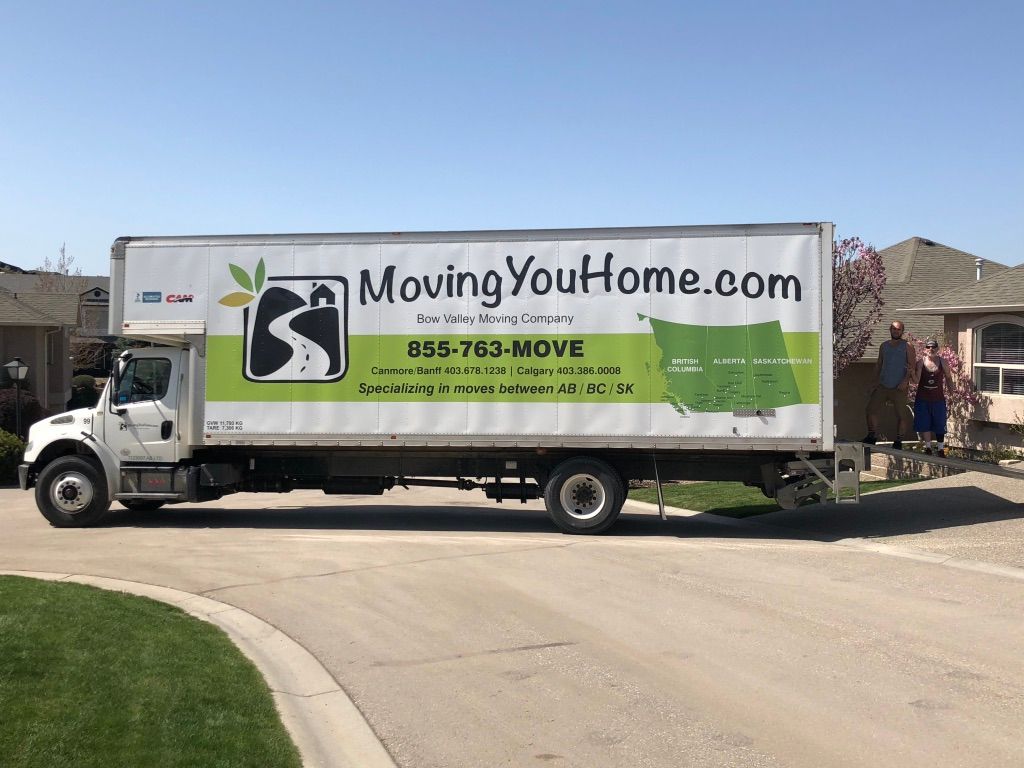
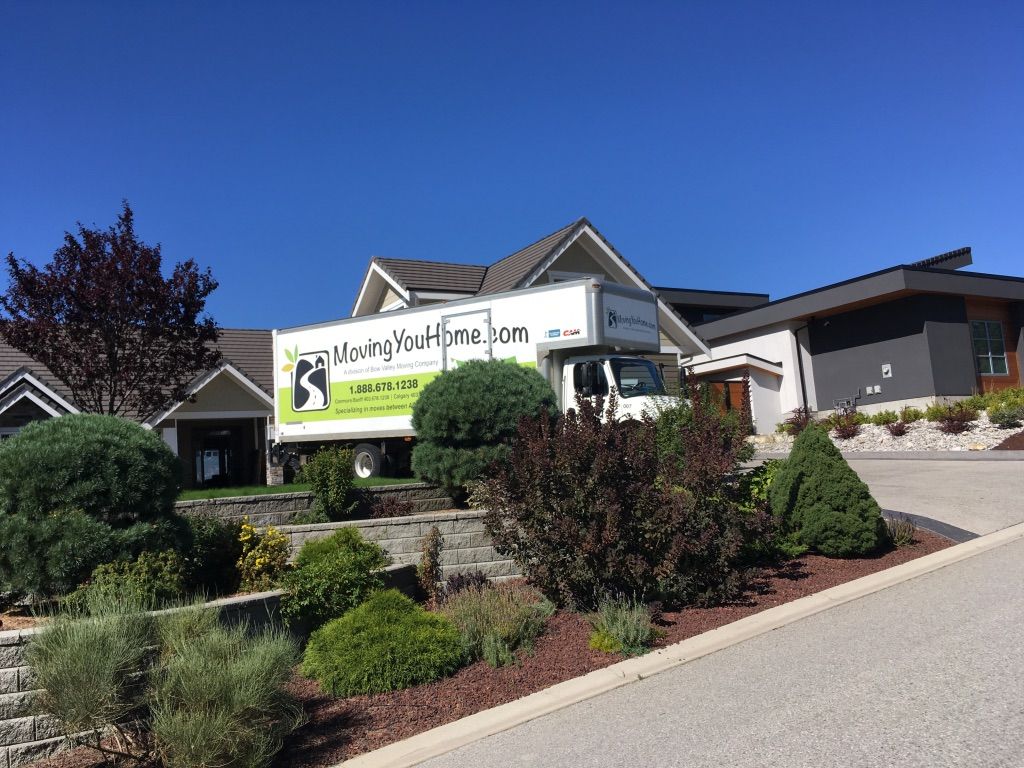
Planning a winter route through the Rockies requires more than just snow tires and extra coffee. Families booking long distance moving Alberta to BC often underestimate the physical toll of mountain passes when temperatures drop. At Moving You Home, we see firsthand how early preparation separates a stressful drive from an organized relocation.
The route from the foothills into the peaks introduces shifting road conditions and mandatory commercial vehicle checkpoints. Managing these variables means securing your timeline long before the truck gets loaded. A proper plan focuses on truck routing, temperature management for your belongings, and realistic arrival windows.
Here is what we cover below:
- Mountain logistics: Understanding winter highway constraints
- Cold weather packing: Protecting sensitive items in transit
- Timing your relocation: Scheduling for safety over speed
- Frequently Asked Questions
Understanding the Reality of Winter Highway Logistics
Driving a fully loaded commercial truck through the mountains in winter is an exercise in patience. Route closures due to avalanches or heavy snowfall dictate the schedule. When moving from Alberta to BC during the winter months, flexibility is the most critical asset you can pack. You need a team that knows how to read the weather systems out of places like Canmore, Alberta, and plan the driving hours accordingly.
Protecting Belongings During Long Distance Moving Alberta to BC
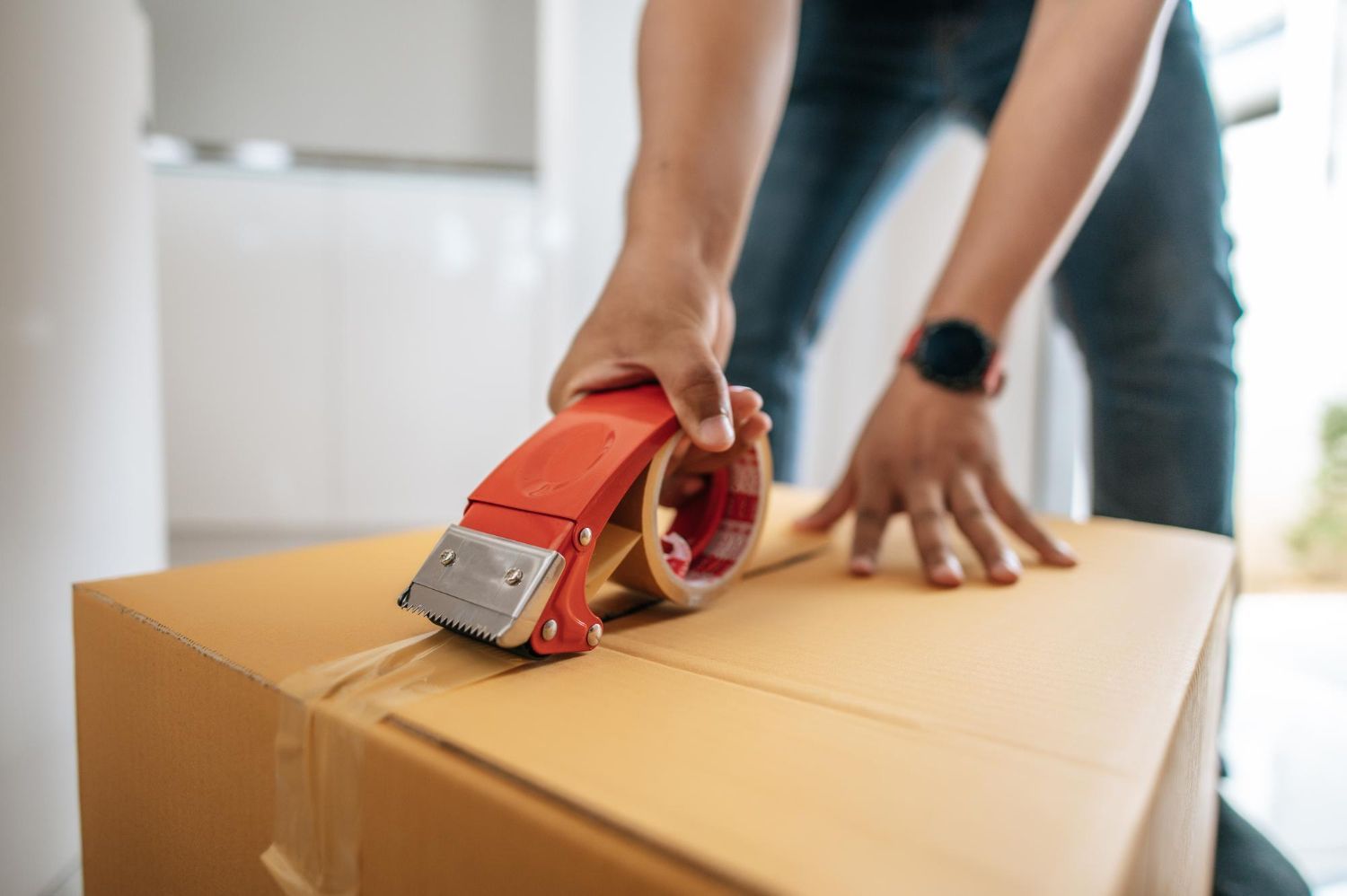
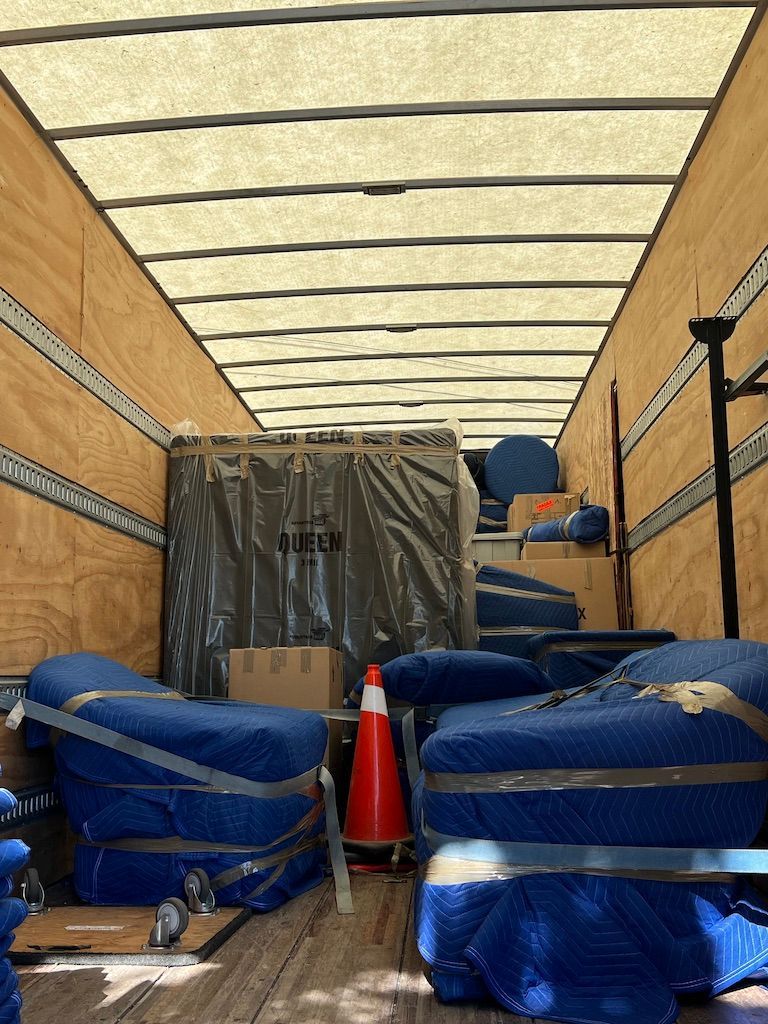
Freezing temperatures inside a moving trailer can severely damage sensitive belongings. Electronics, certain wood furniture, and liquids are particularly vulnerable to deep cold. Professional packing services play a major role in mitigating this risk by using specialized thermal materials and custom padding.
When schedules shift due to weather, clear communication keeps the stress levels manageable. Our coordinators prioritize keeping you informed every step of the way, especially when timelines are tight.
► Client Experience: If we could, I would give Bow Valley Movers’s more than a five star rating. They moved us last spring and were absolutely amazing to deal with. Even though we were just moving to another location within Canmore, we had been in our home for over 30 years & had a very small window of time to work with. Pam was great to deal with, I feel that she went above & beyond & made sure everything went smoothly every step of the way. The two young men that moved us Aiden & Kamile were great. I would highly recommend this company to anyone who is moving. There’s no doubt in my mind that we would absolutely use them again if we should ever move again.- Val Maple
Knowing exactly where your items are and when they will arrive brings peace of mind during complex transitions.
Scheduling for Safety Over Speed
We build buffer days into winter transit times because pushing a heavy vehicle on icy grades is never worth the risk. Planning your arrival means expecting the drive to take longer than a standard summer trip. You need to prepare an overnight bag with essential winter gear, medications, and documents in your personal vehicle.
Frequently Asked Questions
Do moving trucks require special winter equipment?
Yes, commercial moving vehicles traveling through mountain passes must carry and use chains when mandated by highway authorities.
What happens if the highway closes while the truck is en route?
Drivers will park at designated commercial safe zones until the route clears, which is why we communicate closely with clients about adjusted arrival windows.
Getting Started on Your Interprovincial Move
Your winter relocation through the Rockies is completely manageable with the right strategy and experienced drivers at the wheel. Taking the time to plan your packing and transit schedule removes the guesswork from the process. Reach out to our team to discuss your timeline and secure a moving date that fits your needs.
Share This Blog