Preserving Delicate Antique Wood Finishes After Estate Moving
Moving You Home • September 2, 2026
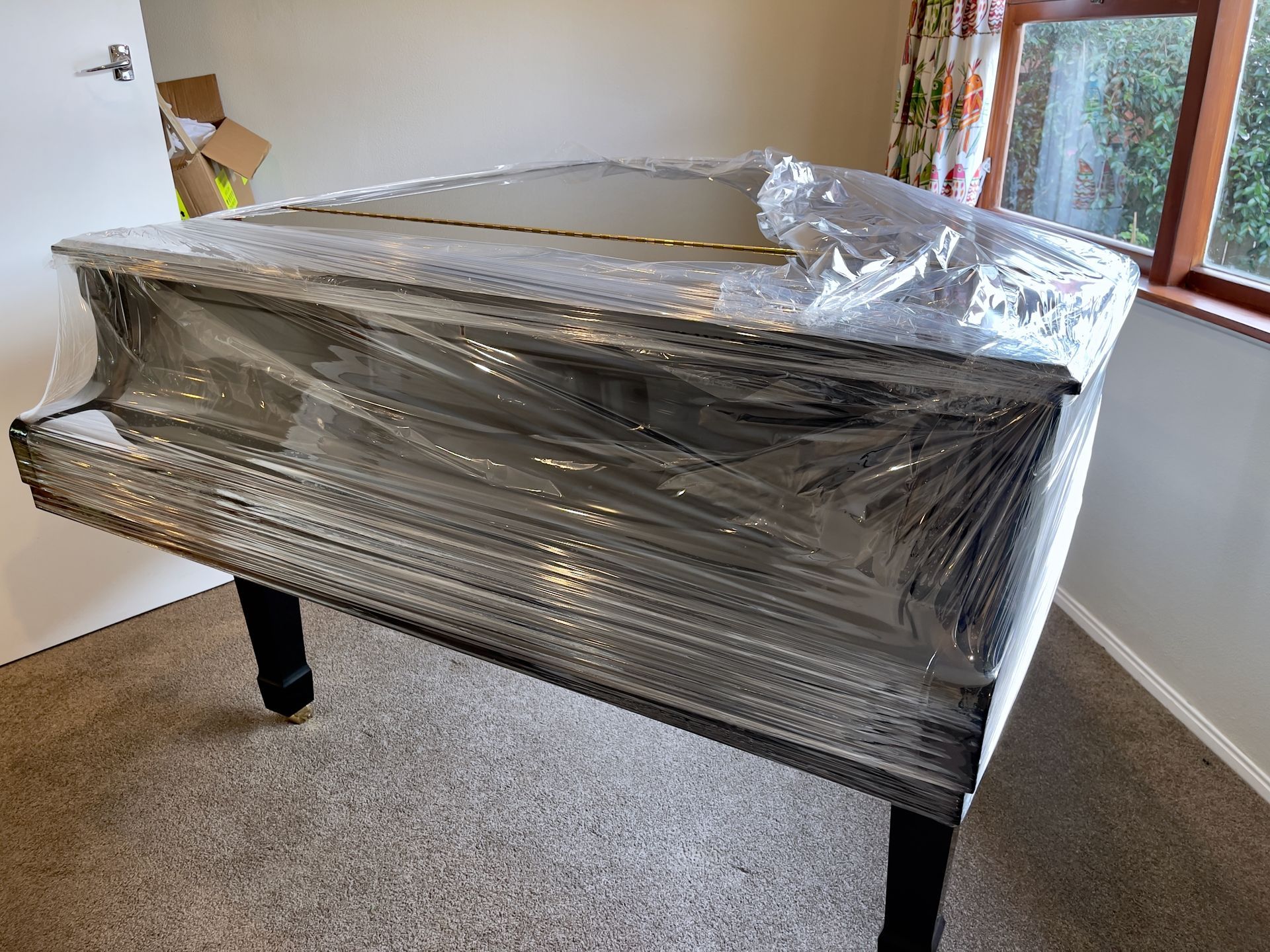
Relocating inherited furniture requires profound respect for the craftsmanship of past generations. When an heirloom arrives at your new property, many assume the hardest part of the journey is over. At Moving You Home, we manage delicate estate moving in Victoria and surrounding areas, ensuring valuable pieces survive transportation beautifully. Protecting these assets after they clear the moving truck is the only way to prevent severe long term degradation of the finish.
Wood is an organic material that continuously reacts to changes in its immediate environment. Sudden shifts in room conditions can cause antique veneers to crack, warp, or lose their historical luster. We created this maintenance guide to help you protect your investment and preserve your family legacy. Following these specific aftercare steps guarantees your cherished furniture remains stunning for decades.
What We Cover In This Article:
- Immediate Aftercare Following Delivery
- How should antique wood furniture acclimate to a new home after a long transit?
- Ongoing Maintenance Habits for Antique Furniture
- Common Maintenance Mistakes That Ruin Wood Finishes
- Extending the Life of Your Heirlooms
Immediate Aftercare Following Delivery
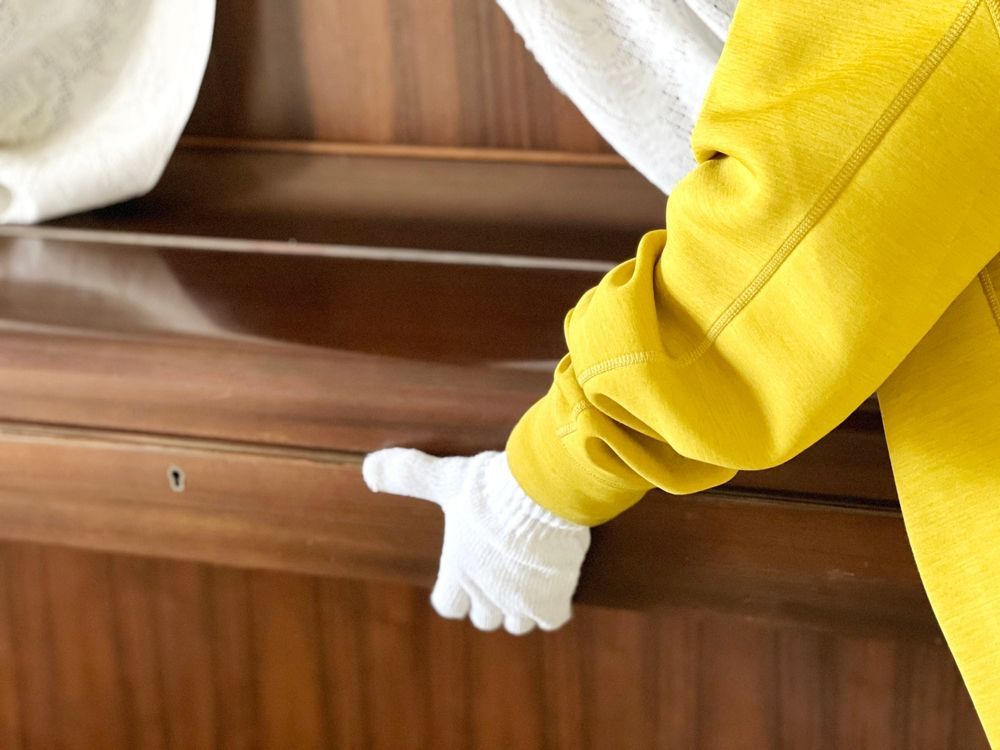
Once our specialized handling crew removes the custom crating and places your antique in the desired room, you must stabilize its immediate surroundings. Establishing a controlled baseline prevents shock to the organic wood fibers.
- Climate Stabilization: Keep the room at a consistent temperature for the first forty eight hours to prevent rapid wood expansion.
- Sunlight Prevention: Draw the curtains to ensure direct ultraviolet light does not strike the delicate varnish right after unpacking.
- Hardware Inspection: Check all original brass handles and hinges to ensure they remain perfectly seated after the transit process.
How should antique wood furniture acclimate to a new home after a long transit?
Antique wood furniture needs to acclimate slowly to the unique humidity levels of its new environment. Instead of immediately polishing or oiling the piece, allow the wood to breathe naturally for at least one full week in a climate controlled room. This resting period allows the natural moisture content within the timber to equalize with the ambient air, preventing the protective clear coat from blistering or peeling away from the base material.
Protecting delicate family heirlooms requires a crew that understands the true value of careful handling. It is a pattern the team at Moving You Home hears regularly from customers managing sensitive transitions.
Ongoing Maintenance Habits for Antique Furniture
Consistent upkeep prevents minor environmental wear from destroying a valuable vintage piece. Integrating visual furniture checks into your seasonal home care routine pays off immensely.
- Gentle Dusting: Use a dry microfiber cloth to lightly wipe away surface dust without dragging abrasive particles across the polish.
- Humidity Management: Run a dedicated room humidifier during the dry winter months to keep the antique wood from drying out and splintering.
- Surface Protection: Always place felt pads beneath lamps or decorative objects sitting on top of an antique dresser to prevent deep scratch marks.
Common Maintenance Mistakes That Ruin Wood Finishes
Homeowners often accidentally damage their own valuables by applying harsh modern cleaning products. Knowing what to avoid is highly critical for long term preservation.
- Using Silicone Sprays: Avoid commercial dusting sprays containing silicone because they create a cloudy buildup that requires professional chemical stripping to fix.
- Placing Near Heat: Never position an antique desk directly over a forced air heating vent because the constant hot air will melt the traditional hide glue holding the joints together.
- Applying Water Directly: Do not use wet sponges to scrub antique wood since standing water will penetrate the porous grain and cause irreversible rot.
► The single most important maintenance fact is that placing antique wood furniture in direct afternoon sunlight will rapidly bleach the historic stain and permanently destroy the monetary value of the piece.
Extending the Life of Your Heirlooms
Safeguarding inherited furniture demands careful climate control and a strict rejection of harsh chemical cleaners. By monitoring room humidity and dusting gently, you protect the historical significance of your collection. Call our specialty moving coordination team today to arrange a safe transport plan for your valuable estate pieces.
Share This Blog