Reviewing Highway Protocols Before Long Distance Moving Services
Moving You Home • August 5, 2026
Relocating across provincial lines involves much more than simply packing boxes and driving a truck away from your old home. When preparing for a major relocation across western Canada, understanding federal and provincial highway regulations is critical for a safe transit. At Moving You Home, we specialize in coordinating complex cross border moves that adhere strictly to structural weight limits and safety checks. Investing in trusted long distance moving services Alberta families rely on guarantees that your valued household goods survive the mountain highways without unexpected delays.
Attempting to coordinate a transcontinental relocation without professional oversight frequently results in cargo damage and roadside structural violations. Commercial transport vehicles must clear provincial weigh scales and log structural weight distributions accurately to comply with national safety fitness frameworks. Our experienced driving crews understand the exact cargo tie down protocols required to secure heavy furniture through steep mountain passes. Taking the time to understand these highway transit rules keeps your relocation safe, organized, and completely on track.
What We Cover In This Article:
- Shifting Cargo and Mountain Highway Hazards
- Why Amateurs Fail the Weigh Scale Test
- What documentation is required for a cross provincial long distance move?
- Securing Compliance for Your Interprovincial Transit
Shifting Cargo and Mountain Highway Hazards
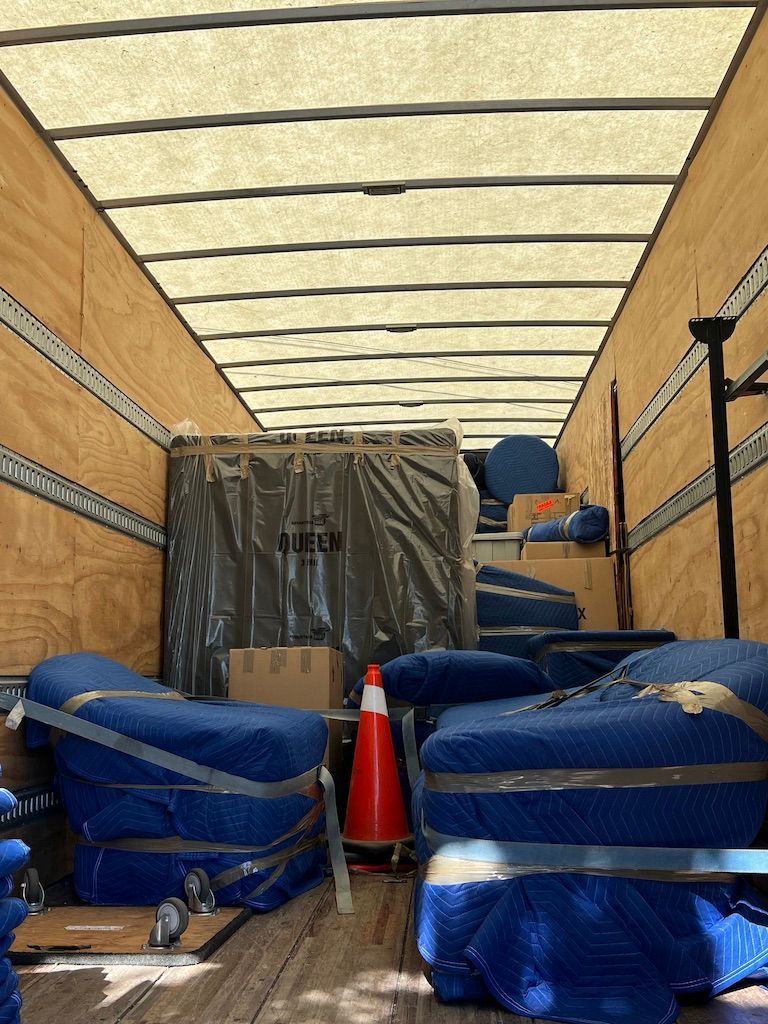
Driving a heavily loaded transport truck through the extreme elevations of the Rocky Mountains places immense stress on the structural stability of your cargo. When an amateur vehicle navigates sharp highway curves near Banff, unsecured furniture shifts violently inside the storage box, causing heavy items to crush fragile boxes. Professional transport crews prevent this specific failure mode by using industrial logistics tracks and heavy duty ratcheting straps to anchor large items directly to the truck frame. The physics of downhill braking apply massive forward pressure on your boxes, which is why experts use specialized load bars to build rigid walls inside the trailer. This prevents the entire load from sliding forward into the cab during a sudden highway stop.
→ From a professional standpoint: Air ride suspension systems are entirely necessary on mountain routes to absorb continuous road vibrations and protect delicate furniture joints from fracturing during transit.
Why Amateurs Fail the Weigh Scale Test
Many property owners assume that renting a large moving truck and driving it across provincial borders is a simple weekend task. However, DIY attempts commonly make the situation worse because rental trucks exceeding specific weight thresholds are legally required to stop at provincial commercial vehicle inspection stations. Without a certified commercial logbook, a clear manifest of household goods, and proper axle weight balancing, an amateur driver risks immediate roadside fines and vehicle impoundment. Transport officers inspect the mechanical fitness of the brakes, the condition of the tires, and the hours of service logged by the driver to ensure highway safety. A failure at the weigh scale means your entire household sits locked in a parking lot until a certified commercial carrier arrives to rescue the load.
→ A quick tip to remember: Standard rental trucks lack the specialized weight distribution layouts found in commercial fleets, meaning a poorly loaded back axle can cause dangerous trailer swaying at highway speeds.
Handling cross country logistics requires careful planning and a team that genuinely cares about protecting your possessions over long distances. This is a pattern the team at Moving You Home hears regularly from families transitioning between provinces.
►Client Experience: Barbara Joy shared "We moved from BC to Saskatchewan, all our possessions were loaded then driven to our new home with out delay. Working with Randy was a dream. We would recommend him to everyone."
Delivering prompt cross border transport without unnecessary hold ups is exactly why clients trust our long distance crews.
What documentation is required for a cross provincial long distance move?
A compliant cross provincial move requires a detailed bill of lading signed by the carrier, a complete inventory manifest itemizing every single box, and transit insurance certificates. The bill of lading acts as the legal contract of carriage, outlining the exact pickup and delivery dates, the total weight of the shipment, and the declared value of the goods. If your long distance journey crosses specific provincial check points, drivers must also carry commercial vehicle safety alliance decals to prove the transport truck has passed rigorous mechanical inspections. Working with a certified carrier ensures that all provincial logbooks and cargo manifests are fully completed before the truck wheels touch the highway.
Securing Compliance for Your Interprovincial Transit
Successfully navigating long highway routes demands proper preparation, strict adherence to national transport codes, and specialized cargo securing skills. By trusting experienced professionals to handle the weight logistics and route planning, you protect your household goods from transit damage. Contact our dispatch office today to discuss your interprovincial itinerary and secure a reliable transport plan for your upcoming transition.
Share This Blog